The Case for Adaptive Reuse In Interior Design
Adaptive reuse in interior design, sustainable home renovation, and why we should normalize reusing things in every New England home renovation.
HISTORIC NEW ENGLAND
Erica Fossati
6 min read
I hate trends.
Best kitchen colors of 2026. The Top 10 Interior Design Trends That Will Rule The Decade. The 5 Things Making a Home Look Dated in 2026, What's In And What's Out Millennium Edition, The paint shade that every design publication has collectively decided is the only acceptable choice for your living room walls. When I go to a vendor and they open with "this sofa is SO HOT this year," I instantly go NEXT!
I want to tell you where this madness actually started, because it didn't come from nowhere.
In the early 1920s, the Bauhaus school in Weimar had a pretty interesting idea. Every workshop had two masters teaching side by side: a master of form, meaning an artist, and a master of craft, meaning an artisan. A weaver, a potter, a furniture maker. The craft was central. The object had to be understood from the inside, made well, made to last. Then came the critique: handmade objects are luxury objects and only the rich can afford them. True social design must embrace industry and mass production. And almost overnight, the craft masters disappeared from the curriculum. The rhetoric pivoted entirely to the machine. New became a moral position.
Tom Wolfe tells this story in "From Bauhaus to Our House" with the precision and barely contained fury that makes you laugh out loud on public transportation. I encourage you to read it. It is instructive, entertaining, and will make you look at every glass and steel building you pass with entirely new eyes.
The reason I bring it up is this: that moment, the moment the Bauhaus dropped the artisan and handed the argument to industry, is arguably where the culture of new over good began. Everything that followed, the postwar building boom, the disposable furniture industry, the renovation industrial complex, and yes, Houzz telling you your perfectly good kitchen is outdated, has roots in that shift.
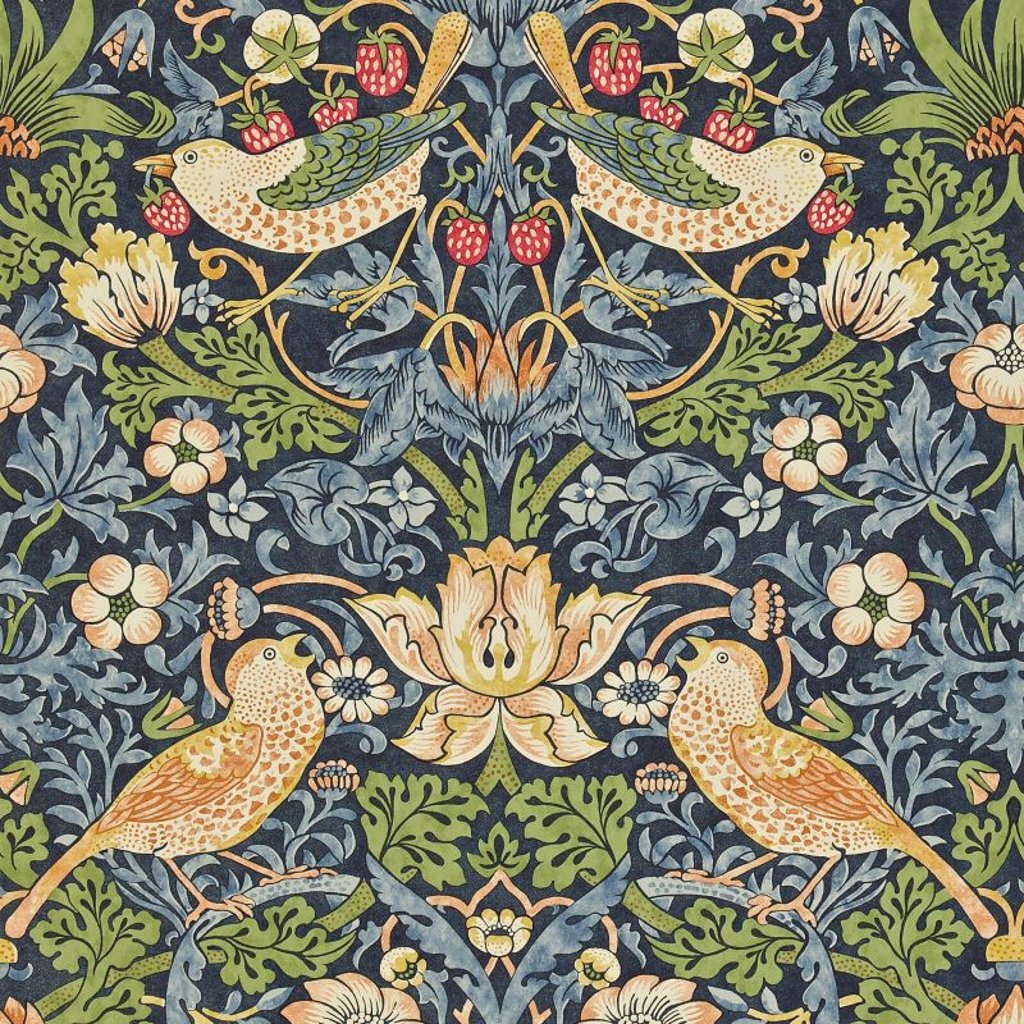
William Morris had seen it coming. In the 1880s with the advent of industrialization, long before the Bauhaus existed, he was already arguing against disposable manufacture and for objects made well enough to last, to be repaired, to be loved. "Have nothing in your house that you do not know to be useful or consider to be beautiful."
In 1974, the Italian designer Enzo Mari published "Autoprogettazione," a set of instructions for making simple furniture yourself from raw timber. It was a deliberate provocation against consumer furniture culture. His argument was not that you should make your own furniture because it's cheaper. His argument was that a well-made object you understand and care about is worth more than anything you buy because a magazine told you to. Mari was born in Novara, not far from where I grew up. I find it satisfying that the resistance has Italian roots.
Here is something that happens in my work more often than it should.
A client walks me through their home before we start talking about what to change. At some point they stop in front of something, a chair, a cabinet, something that has been in the family for years, and they point at it almost apologetically. "Can we keep this?" they ask. As if they need permission. The chair is usually something like a 1930s chaise that someone's grandmother bought and that has been reupholstered twice since. Not actually Louis XVI, despite what the family legend says, but made almost entirely by hand, with quality materials, by someone who knew what they were doing. It has survived ninety years because it was built to. "Of course we keep it," I say. "We bloody should." The idea that we get rid of it because it's démodé is, to use a technical term, insensé.
This is not sentimentality, it's materials science. A handmade object from the 1930s was made from solid wood, hand-joined, finished by hand. What you buy today at the price point most people can afford is largely engineered wood, assembled with dowels and glue, designed to last approximately as long as the trend that inspired it. The grandmother's chaise will outlive both of us, the trending sofa will be in a landfill before the decade is out.
Which brings me to ecology, because that word gets thrown around a lot in design circles and I want to be precise about what it actually means in this context.
The sustainable furniture movement has produced some genuinely good work, it has also produced a lot of marketing. "Made with recycled materials." "Upcycled." "Natural fibers." "Carbon neutral production." All of these things can be true and the object can still be unnecessary.
Spoiler alert: the most ecological thing there is, is the one you already have. Nothing has a lower carbon footprint than the chair sitting in your living room that you are about to replace because you saw a different chair on Instagram. The most sustainable renovation is the one you don't do. And the second most sustainable is the one you do thoughtfully, using part of what you already have.
We produce an extraordinary amount of unnecessary landfill because the design industry has convinced us that our things are inadequate. That is not design culture but marketing dressed up as taste.
Now don't get me wrong: I am not against renovation, I make my living doing renovations.
I've witnessed such appalling stuff that couldn't be gone fast enough, I almost started the demo myself before even doing any drawings. The things these eyes have seen that I wish I could un-see. I'm like Roy in Blade Runner, only for interiors. The renovations I'm against are the ones done for the wrong reasons.
Good reasons to renovate: you have outgrown your house. You need to reduce it. The layout does not work for your life anymore. You fell in love with a vision and want to pursue it. All of these are legitimate, all of them are worth doing well.
Bad reason to renovate: an algorithm made you feel bad about what you have and somehow you are under the devious impression that new is always better.
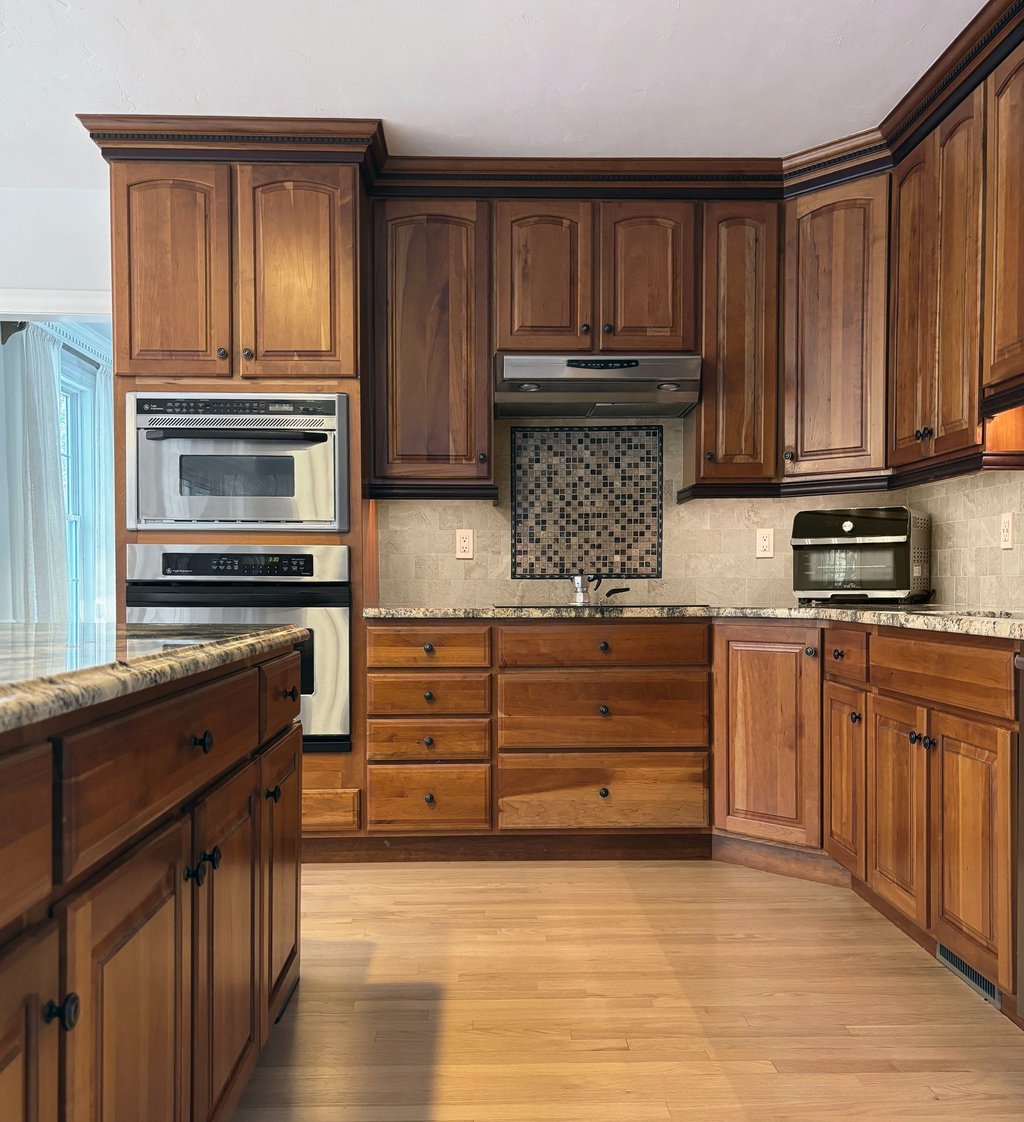
Successful design does not always mean remove everything and start over. Sometimes it means looking carefully at what is already there, understanding its intrinsic value, and building around it rather than erasing it. A handmade 1930s chaise. A twenty year old cherry kitchen with intricate granite and solid wood panels that would cost significantly more to replicate today than to restore. Original Victorian millwork that took skills to produce that no longer exist at scale.
The question is not "does this fit the trend." The question is "is this good."
And good things deserve to stay.
This is not theory for me. I am currently working on a project I call the Italianate Reimagined, a renovation in progress where the starting point was not a mood board or a material palette but a survey of every piece of furniture the clients wanted to keep. I photographed and measured all of it. Some pieces are genuinely antique and stunning, others are kept for sentimental reasons: a chair someone sat in for forty years, a table that has been in the family through three moves, etc. All of them are 100% worthy of consideration and all of them are shaping the design. Respect for what already exists is what drives a careful renovation. It's too easy to raze everything and start over, that requires no thought, no sensitivity, no real understanding of what you have. Working around what matters, what has value, what has history, that's the harder and more interesting problem. That's my way of working and I make no apologies for it.
I wrote about this at length in the context of historic homes here, but the principle applies everywhere. Before you decide what to change, decide what you have.
I want to end with something practical. The next time you feel the urge to renovate, ask yourself honestly where that feeling is coming from. Is it because something in your home genuinely does not work for your life? Or is it because you spent an hour on Instagram and came away feeling vaguely inadequate? One of those feelings is a good reason to call a designer, the other is a good reason to close the app.
You are allowed to love your grandmother's chair. You are allowed to keep your twenty year old kitchen if it is well made and works beautifully. You are allowed to build a home that looks like yours rather than like a photoshoot. A renovation done out of confidence produces a home. A renovation done out of insecurity produces a house that looks like someone else's house.
And when a vendor opens with "this sofa is so hot this year," you know what to say, but if you are too embarassed to, that's where I come in.
Ciao.
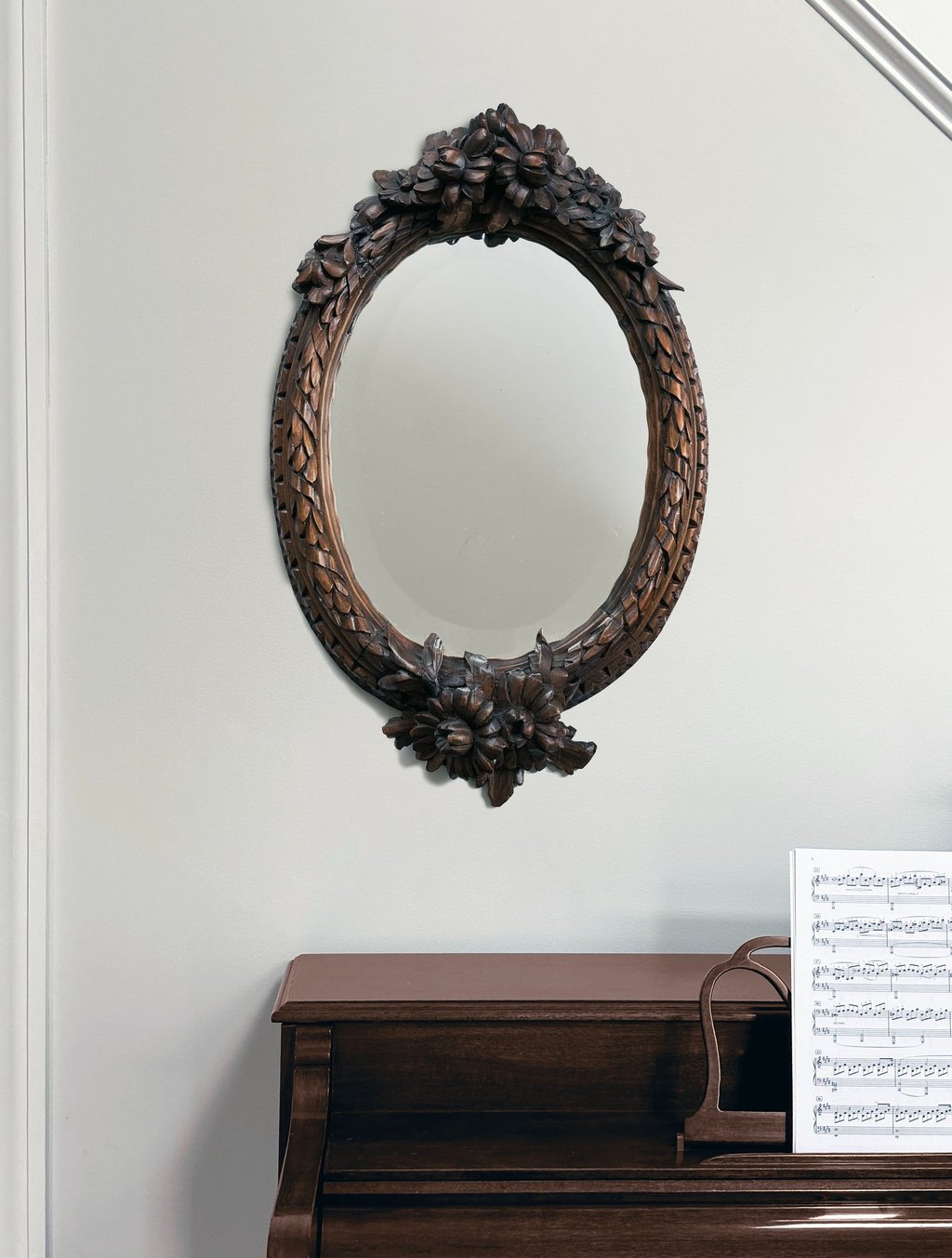
Made by hand, four generations ago, according to family legend. Unbranded but of emotional value.
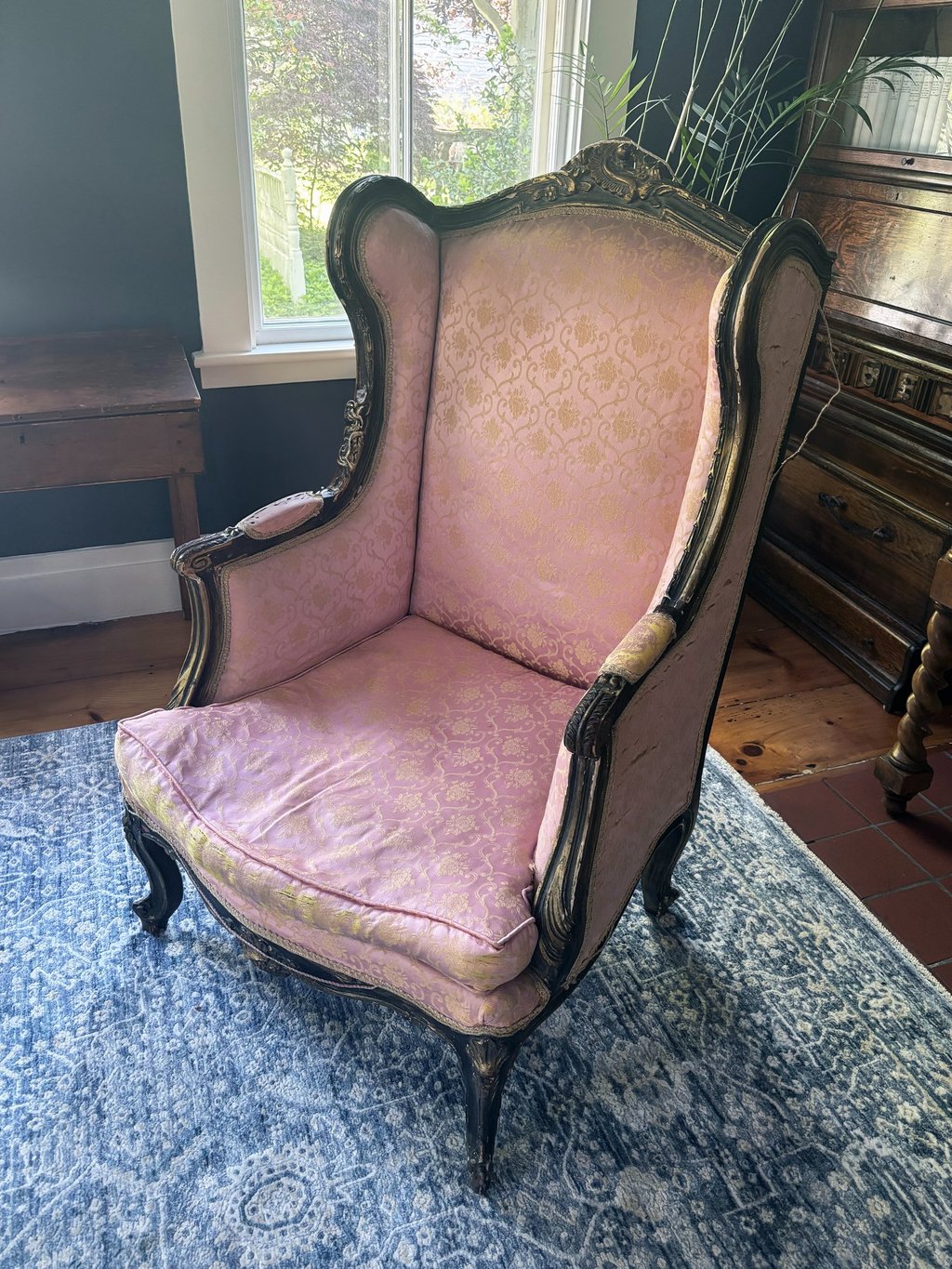
Genuinely antique, of course we kept it, although it will need reupholstery.
My cherry kitchen. Kept it because my furniture maker ancestors would never forgive me if I replaced it with MDF.
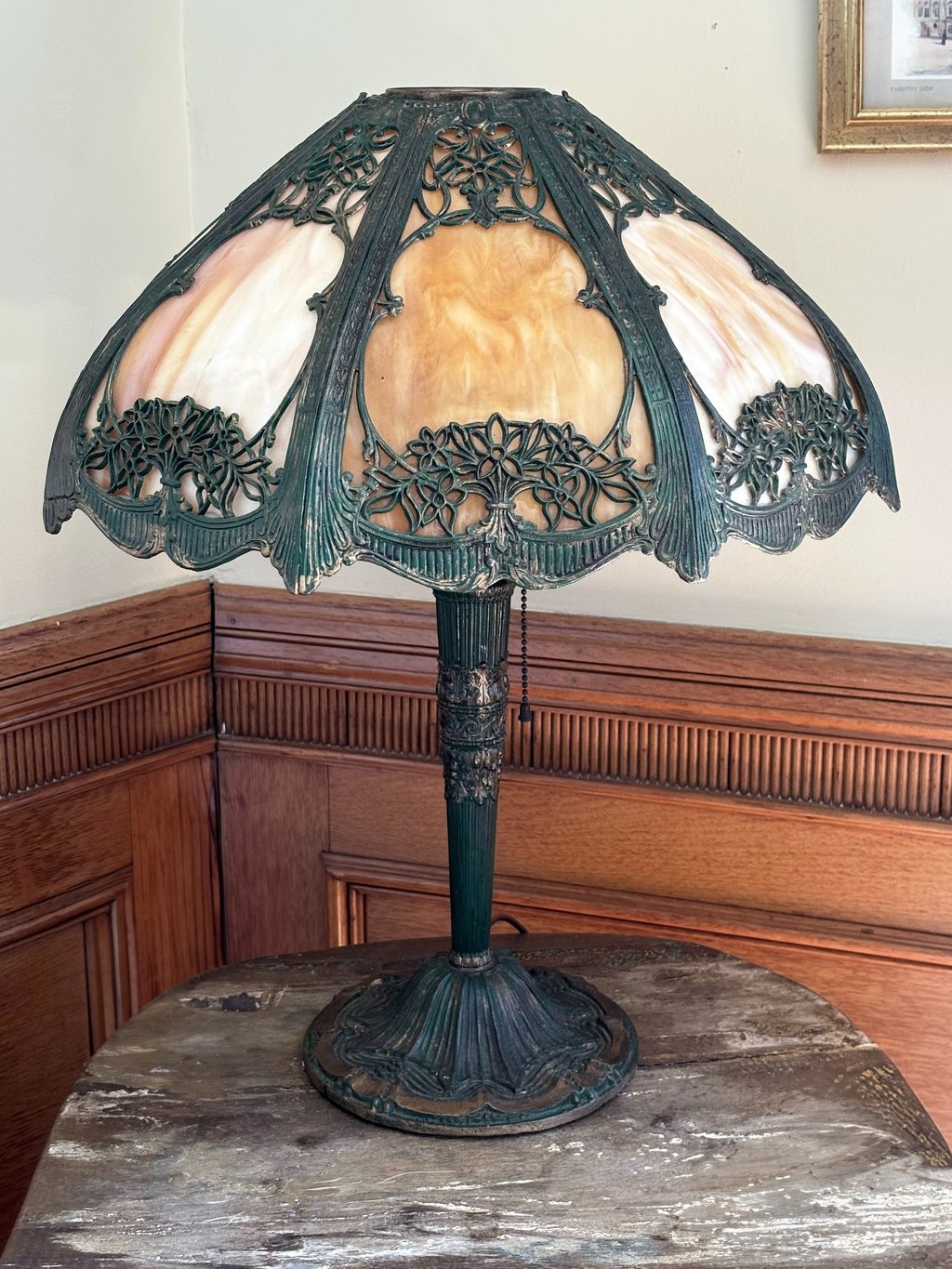
Slag glass, cast metal, early 20th century. Everything about this was made with intention.
The views expressed in this journal are my own and reflect my professional experience and personal opinions. Any references to specific places, institutions, or practices are made for informational and illustrative purposes only. Nothing in this journal constitutes legal, architectural, or regulatory advice. Always consult a qualified professional for your specific situation.
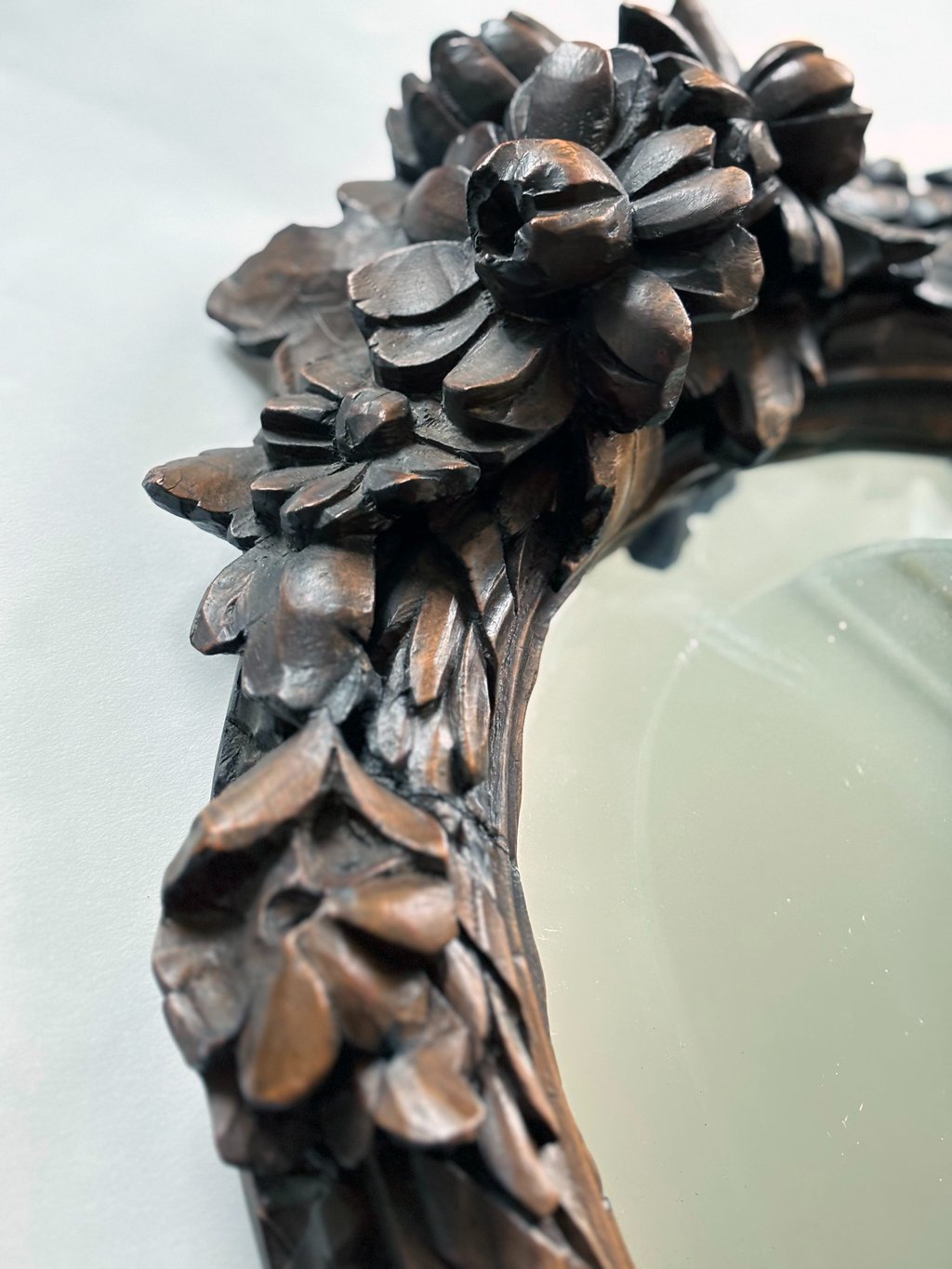
This is what a chisel in skilled hands looks like.
Fun fact: other than being a poet, artist, writer, and socialist activist, William Morris founded Morris and Co, one of the most influential design firms in history, producing wallpapers, textiles, and furnishings that are still sold today. Good design never ages.
________________________________________________________________________________________________________________________________________
Have a question about this topic or something else you've read here?
________________________________________________________________________________________________________________________________________
________________________________________________________________________________________________________________________________________
____________________________________
____________________________________