Villa il Salviatino
Fiesole, Italy
Renaissance villa restoration Fiesole Florence | Historic boutique hotel conversion Italy | Erica Fossati DesignRenaissance villa restoration Fiesole Florence | Historic boutique hotel conversion Italy | Italian designer Massachusetts | Erica Fossati Design
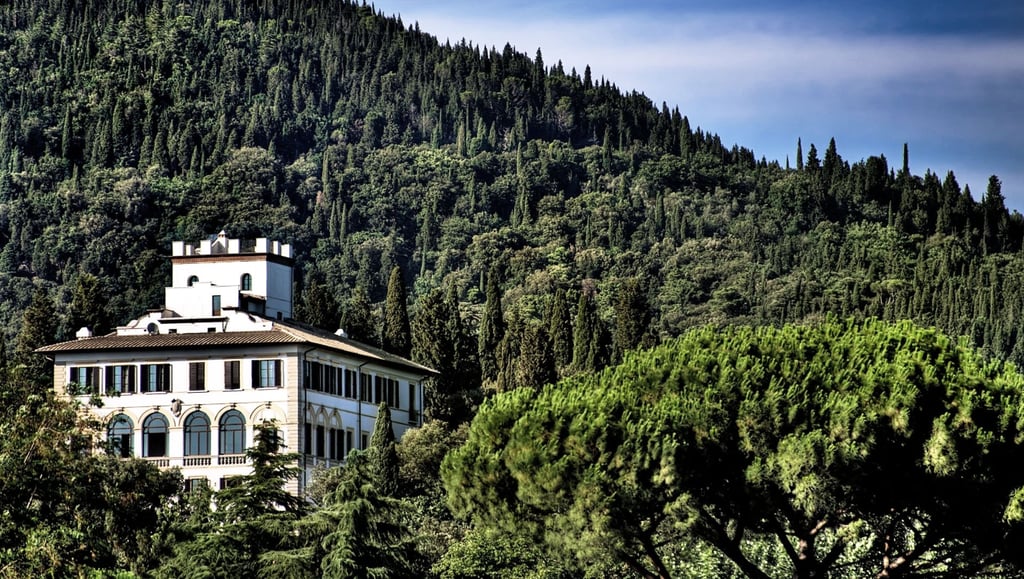
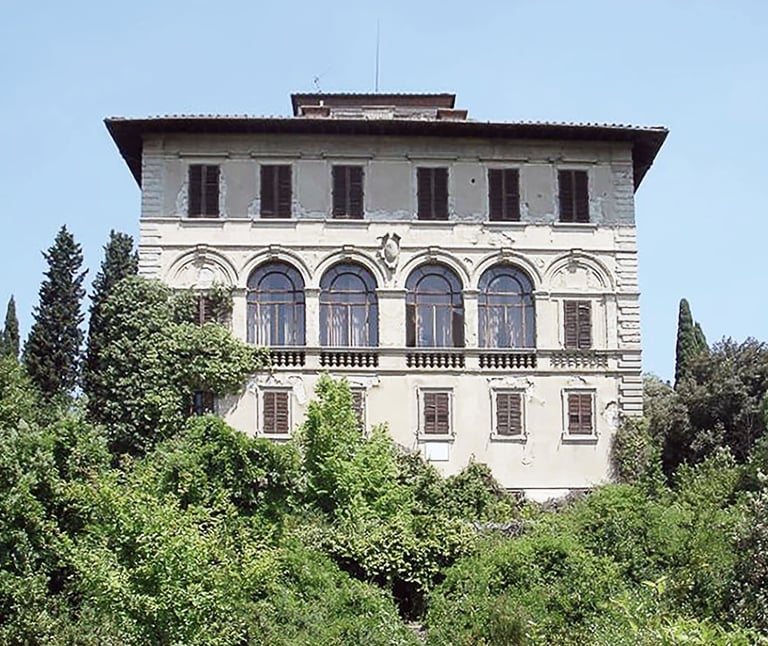
Villa il Salviatino sits on the steep southern slope of Fiesole, overlooking Florence. Its origins are modest, a 14th-century farmhouse, but the building accumulated centuries of ambition: purchased by the Bardi banking family in 1427 and rebuilt on a palatial scale, frescoed by the Salviati in the 16th century, celebrated by Francesco Redi in verse in 1685, passed through the hands of Rothschild-financed transactions, American collectors, and the art critic Ugo Ojetti, who filled it with paintings, sculpture, and one of the finest private libraries in Tuscany. From 1973 to 1987 it housed Stanford University's overseas program. Then it sat empty for nearly thirty years.
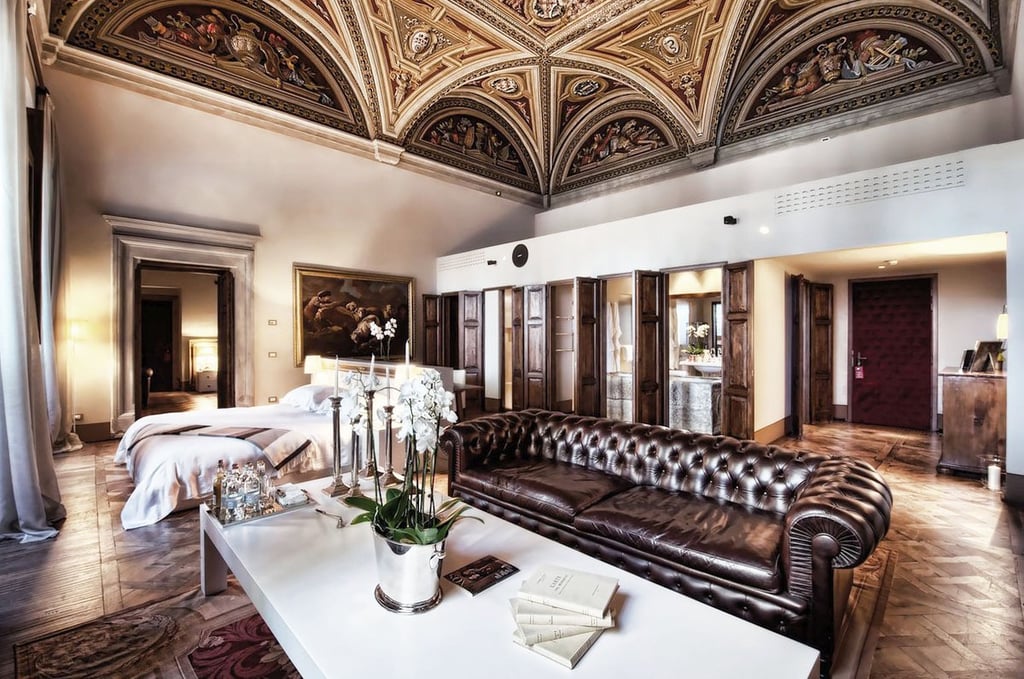
When Colombo Associati was commissioned to restore it in the first decade of the 21st century, the building had been abandoned long enough for nature to begin reclaiming it. The initial survey took a full week. Bats had colonized the upper floors. Snakes had found the cellars. Behind one door that had to be kicked in to take measurements, the floor ended at the edge of a ten-meter open well. It was during construction, while workers were removing a dropped ceiling that had been installed during the Stanford years over what had served as a kitchen, that someone came running. Behind the soffit: a fresco vault by Domenico Bruschi, its vaulted compartments filled with heraldic and figurative painting, intact, in full color, undisturbed for decades. It became the centerpiece of what is now the Bruschi Suite. That moment defined the project. The work was not renovation in the conventional sense. It was archaeology with a building permit.
The project was completed under the direction of Luciano Maria Colombo of Colombo Associati, Milan. All phases of the work were led and coordinated by me and him, I co-stamped the building permits and all documentation submitted to the Soprintendenza delle Belle Arti and to the building dept of the Comune di Fiesole. In seven years of practice in Italy, I worked on many historic buildings. This one I will never forget, and I thought it worth including here for the complexity it represents.
The intervention addressed the full extent of the villa: structural consolidation, restoration of all historic finishes and decorative surfaces, new mechanical and electrical systems introduced without compromising the fabric of the building, and the complete interior fit-out of every room and common area. The relationship with the Soprintendenza governed every material decision, as it does with any building of this classification, and the documentation required to satisfy those constraints was produced entirely in-house.
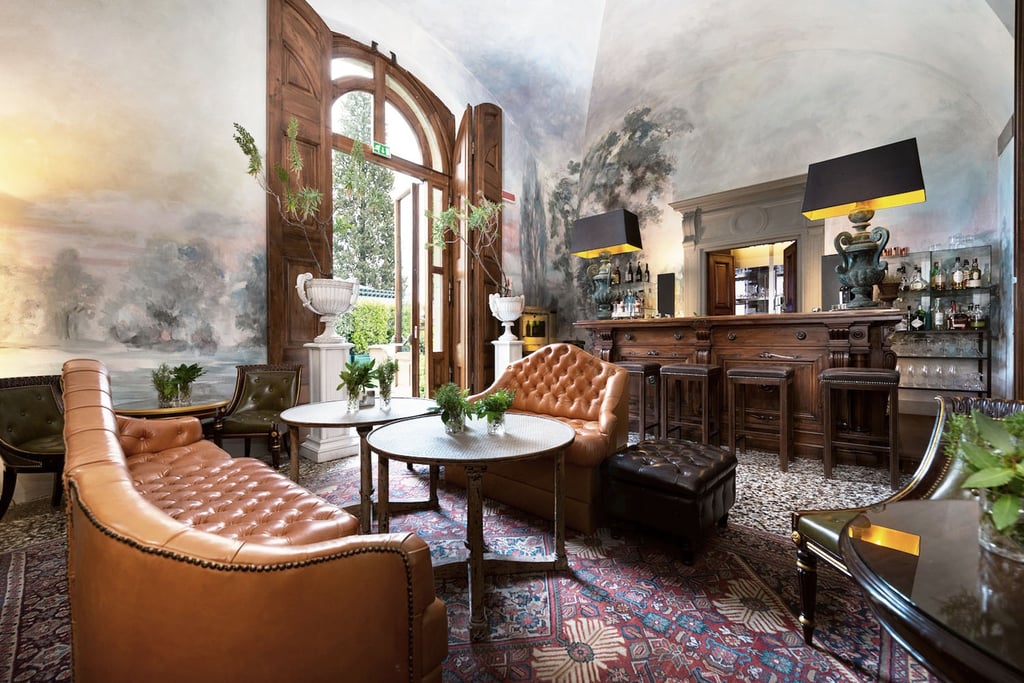
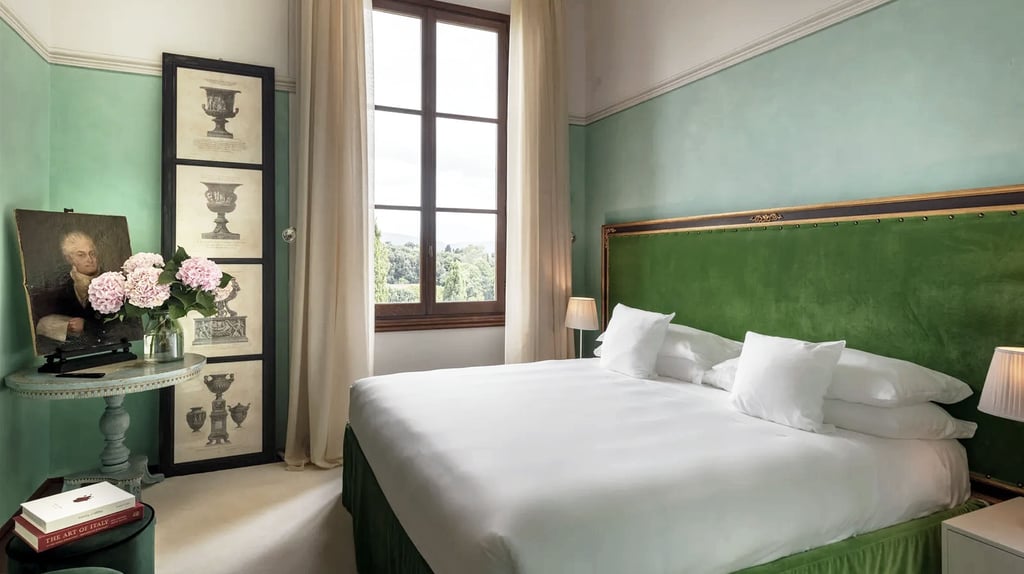
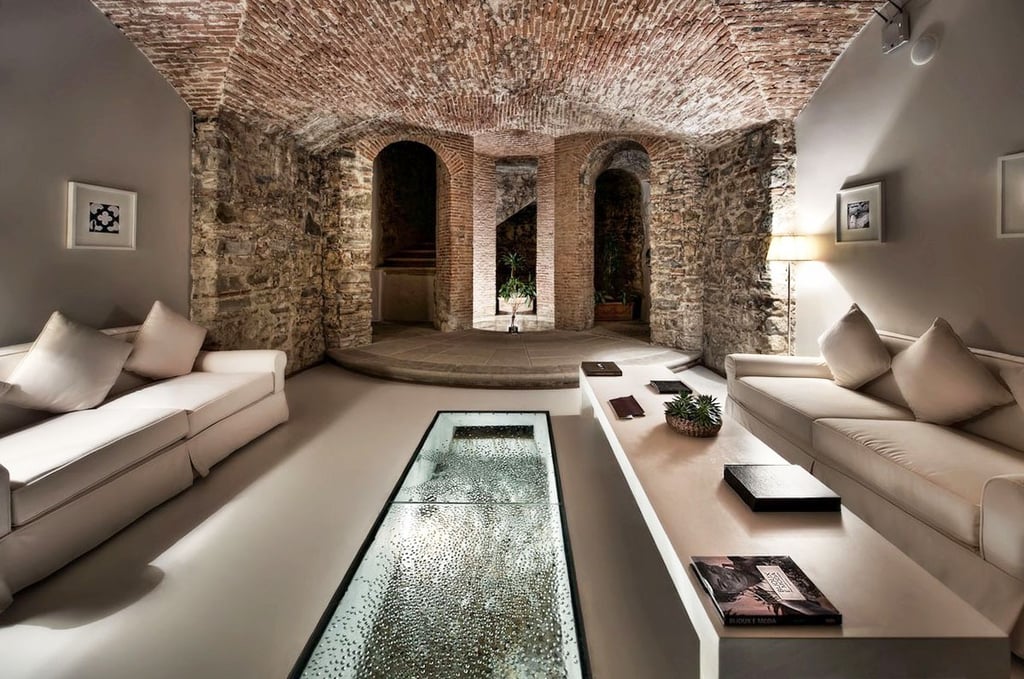
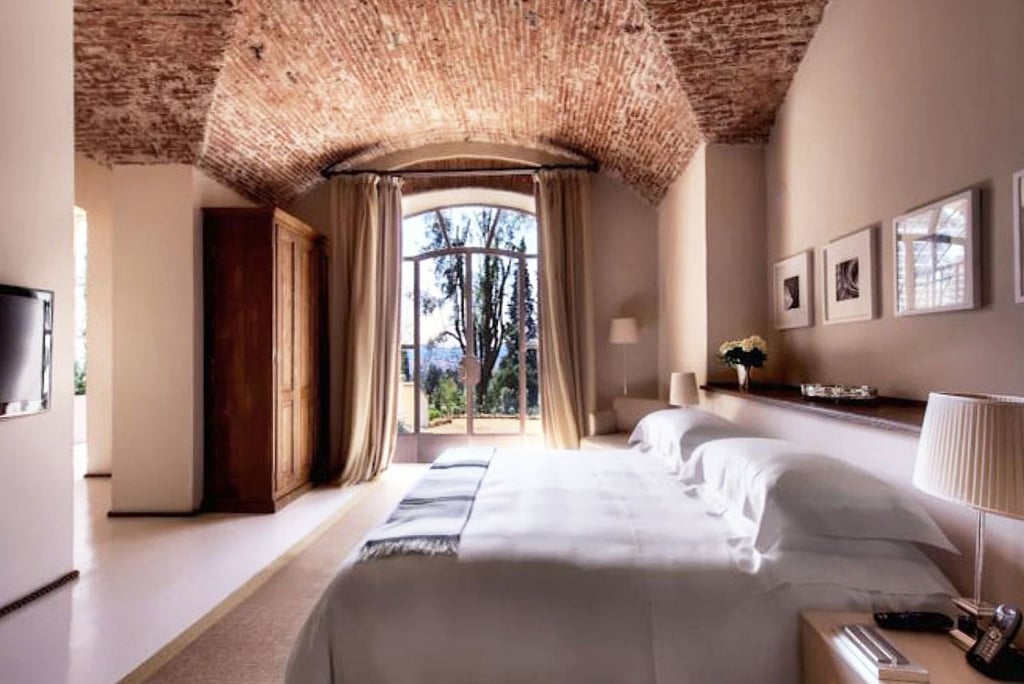
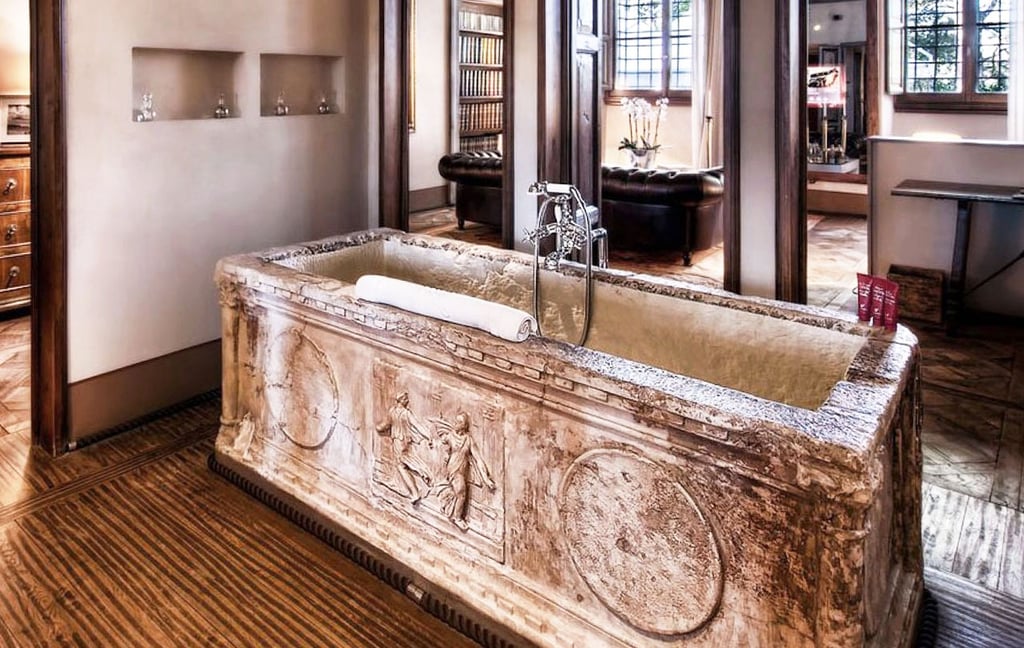
The spa occupies the medieval stone cellars, their barrel-vaulted ceilings and original masonry left fully exposed, with contemporary furnishings introduced at a deliberate remove from the historic shell. The bar and lounge retain their painted walls, the pigment applied directly to plaster in the tradition of the building's original decorative campaigns. Each guest room was treated individually, its palette and furnishings calibrated to its architectural character rather than applied as a repeating hotel standard. The Bruschi Suite bathroom was fitted with an ancient stone sarcophagus, repurposed as a soaking tub. It is exactly what it looks like.
The result is a five-star boutique hotel that operates as what the building always was: a house of serious consequence.
The villa has since changed hands and is now owned by the Rovati family. What you see in the photographs reflects the building as we left it, and the property has only gotten better since. Alessandra Rovati has exceptional taste and has continued to invest in it with the same seriousness it deserves. In a small coda to the story: years after the project was complete, and after I had already moved to the United States, my sister's firm was commissioned for minor work on the villa. When she pulled the existing permits, my name was on them. Some projects follow you.
A project of this scope and complexity resists summary. The photographs here are a fraction of what was documented, and the stories behind them are better told in person. Ask me about it sometime, I never get tired of telling this story.
________________________________________________________________________________________________________________________________________
____________________________________
Info
Scope:
Complete Restoration, Exterior and Interior, Full Hotel Fit-Out
Role:
Lead Architect, Colombo Associati, Milan
Size:
48,000 sf
General Contractor:
Structural Engineer:
____________________________________
________________________________________________________________________________________________________________________________________
The right project finds the right designer. I'd love to hear about yours.
________________________________________________________________________________________________________________________________________
________________________________________________________________________________________________________________________________________
____________________________________
____________________________________